Legacy Software Modernization and Rebuild Services: What It Involves
Once a business has decided an aging system genuinely needs to be modernized rather than patched further, the next question is what that process actually looks like. Legacy software modernization and rebuild services cover everything from full rewrites to incremental replacement of the most problematic parts of an old system.
Why This Work Is Different from a New Build
Modernizing legacy software means working around existing data, existing users who depend on the system daily, and existing integrations — a rebuild can't simply start from a blank slate the way a brand-new project can.
What Modernization Actually Involves
Work starts with a technical audit of the existing system — what's salvageable, what's actively causing problems, and what the real risk of each part is — before deciding whether to rewrite entirely or modernize incrementally.
Common Approaches
Full Rewrite
Building a new system from scratch, used when the existing architecture is fundamentally unsuited to current needs.
Incremental Replacement
Replacing the most problematic parts of a system while keeping stable parts running, reducing risk compared to an all-at-once rewrite.
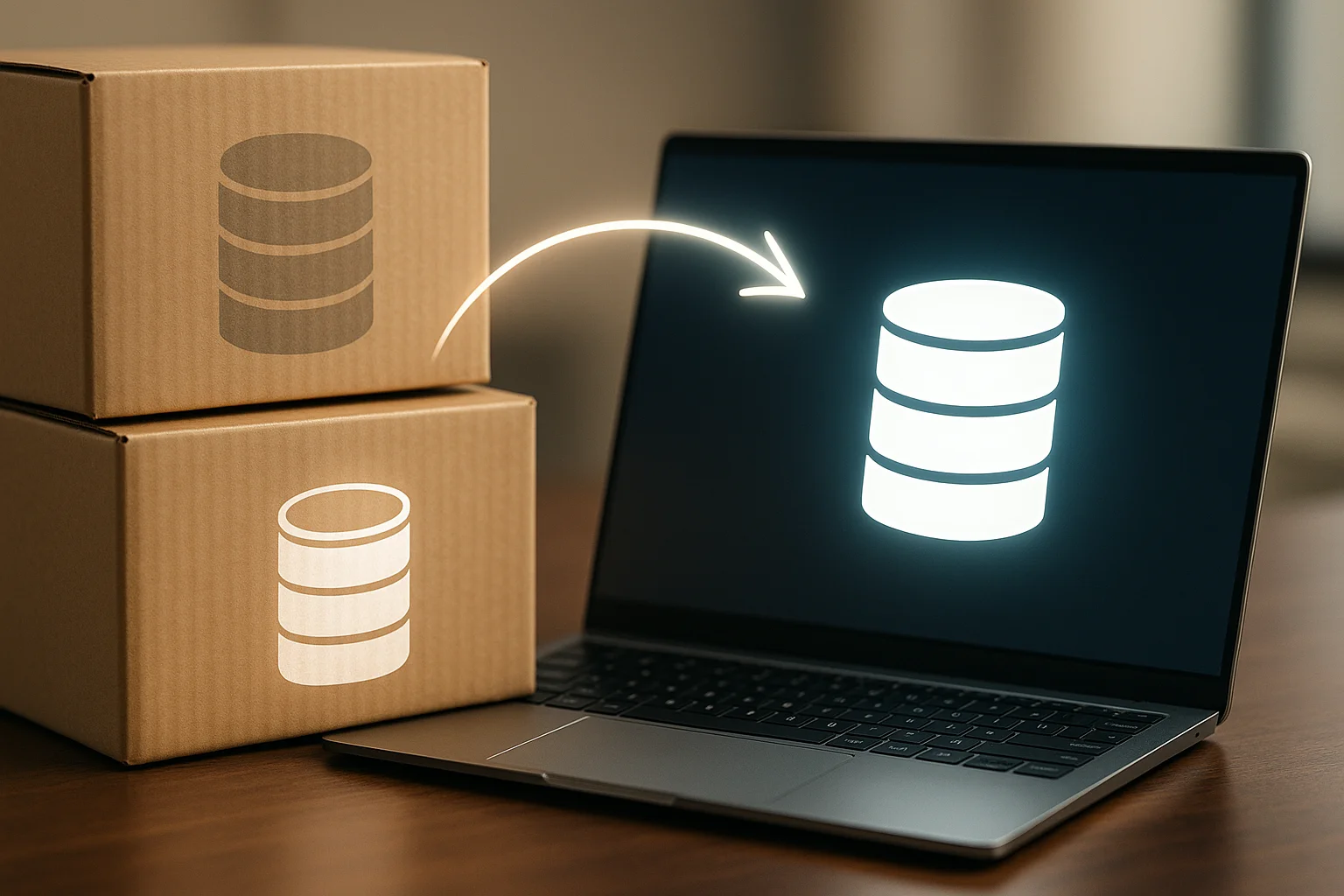
Data Migration
Moving existing data accurately into the new or modernized system, without loss or corruption, is often the highest-risk part of the process.
Parallel Running
Running old and new systems alongside each other during transition, to catch issues before fully retiring the legacy system.
What the Process Looks Like
- Auditing the existing system honestly — what works, what doesn't, what's at risk.
- Deciding between full rewrite and incremental modernization based on that audit.
- Planning data migration carefully before any cutover.
- Building and testing the new or modernized components.
- Transitioning with a rollback plan in place, not a single irreversible cutover.
How SKYSTACK Solutions Can Help
At SKYSTACK Solutions, we audit legacy systems honestly and handle modernization and rebuilds carefully, whether that means a full rewrite or incrementally replacing the parts causing the most pain.
Conclusion
Legacy software modernization and rebuild services exist because replacing an aging system safely takes more than starting over — it takes a careful process that protects the data and users depending on it throughout the transition.