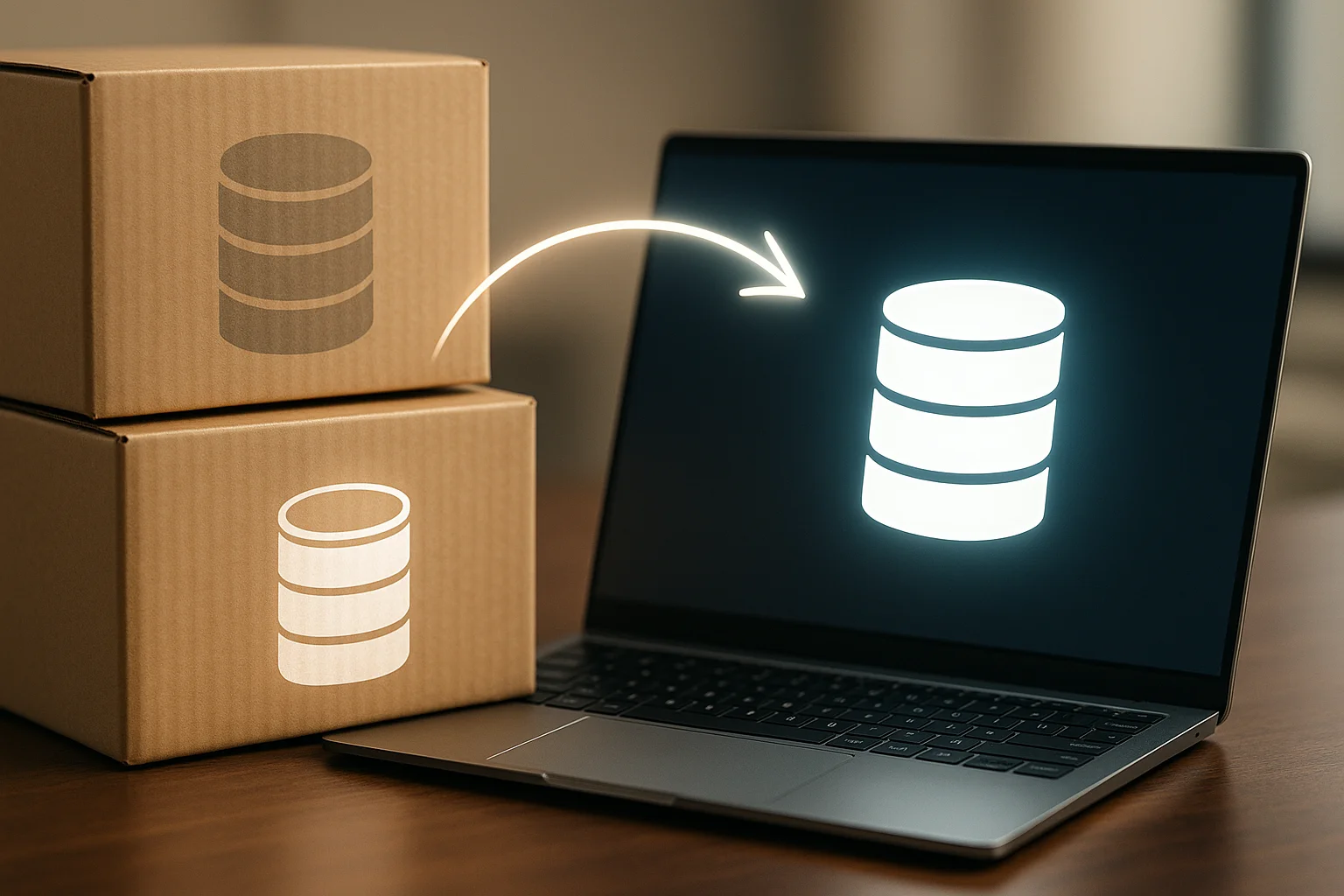
Custom Inventory Management System Development: What It Involves
Off-the-shelf inventory tools work well until a business has multiple locations, multiple sales channels, or stock rules specific enough that a generic system can't quite represent them. Custom inventory management system development is what fills that gap, and understanding what it actually involves helps set realistic expectations before committing to a build.
When Off-the-Shelf Inventory Tools Stop Being Enough
The usual signal is manual reconciliation — staff double-checking stock counts across systems, spreadsheets tracking what the software can't, or recurring mismatches between what's recorded and what's actually on the shelf.
What Custom Inventory Management System Development Involves
Development starts by mapping how stock actually moves through the business — receiving, storage locations, sales channels, returns — and identifying every point where the current process breaks down. The system is then built to track and update stock automatically at each of those points.
Key Features Worth Building In
Real-Time Stock Tracking
Stock counts update the moment a sale, return, or transfer happens, instead of relying on periodic manual updates.
Multi-Location and Multi-Channel Support
One accurate stock count across every warehouse, store, and sales channel, instead of separate numbers that have to be reconciled by hand.
Automated Reordering
Low-stock alerts and reorder triggers happen automatically based on real sales velocity, not manual periodic checks.
Reporting and Forecasting
Historical data feeds directly into demand forecasting, instead of requiring a separate manual export and analysis process.
Custom Development vs Off-the-Shelf Inventory Software
Off-the-shelf inventory tools remain a solid choice for straightforward, single-location operations. Custom development pays off once you're managing multiple locations or channels, or your stock rules are specific enough that a generic platform requires constant manual workarounds to stay accurate.
What the Development Process Looks Like
- Mapping every point stock currently moves through the business.
- Identifying which existing systems need direct integration.
- Building real-time tracking and testing it against actual stock movement.
- Setting up automated alerts and reporting around your actual metrics.
- Running the system alongside existing processes before fully switching over.
How SKYSTACK Solutions Can Help
At SKYSTACK Solutions, we build custom inventory management systems for businesses running multiple locations or sales channels that off-the-shelf inventory software can't keep accurately in sync. We design the system around how stock actually moves through your business, not a generic template.
Conclusion
Custom inventory management system development is worth the investment once manual reconciliation is costing more time than the build itself would take — and for multi-channel or multi-location businesses, that point tends to arrive faster than expected.