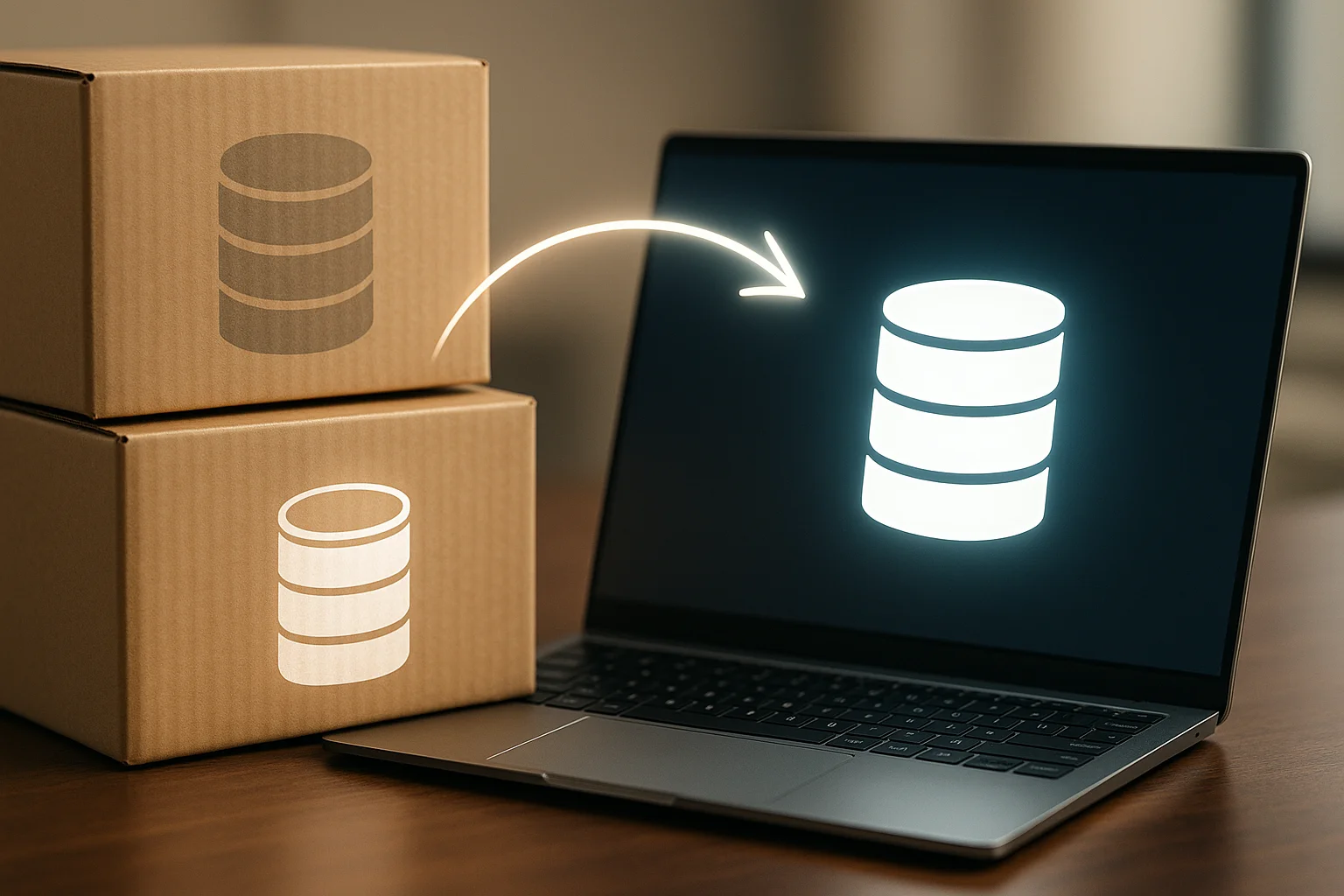
Custom Internal Tool Development for Operations Teams: What It Involves
Most operations teams start out running on a mix of spreadsheets, generic project management software, and a lot of manual coordination. That works until the team grows or the process gets specific enough that no off-the-shelf tool quite fits. Custom internal tool development exists for exactly that gap — software built around how your operations team actually works, not a generic workflow you have to adapt to.
Why Operations Teams Outgrow Generic Tools
Generic project and task management tools are built to serve every kind of team at once, which means they're necessarily general. Operations work — tracking orders through specific stages, coordinating between departments, managing exceptions that don't fit a standard template — often needs logic that a generic tool simply wasn't designed to express.
What Custom Internal Tool Development Involves
Building an internal tool starts with mapping the actual process: what stages a task or order moves through, who's responsible at each step, what data needs to be captured, and what should happen automatically versus what needs a human decision. From there, the tool is built around that specific workflow rather than a generic template.
Key Features Worth Building In
Role-Based Access
Different team members see and can act on exactly what's relevant to their role, without wading through information meant for someone else.
Workflow-Specific Logic
Status changes, approvals, and notifications follow your actual process, including the exceptions and edge cases that generic tools tend to ignore.
Reporting Built Around Your Metrics
Dashboards show the numbers that actually matter to your operations, not a generic set of charts that happen to be included.
Integration with Existing Systems
The tool connects to whatever else your business already runs on — inventory, CRM, accounting — instead of becoming another disconnected system.
Custom Development vs Generic Software for Internal Use
Generic tools are faster and cheaper to adopt when your process is fairly standard. Custom development pays off once your team is spending real time working around a tool's limitations — building spreadsheets on the side, manually tracking what the software can't, or maintaining a chain of automations just to make a generic tool behave like it understands your process.
What the Development Process Looks Like
- Mapping the current process and identifying where it breaks down.
- Defining exactly what the tool needs to track, automate, and report on.
- Building and testing the core workflow before adding secondary features.
- Rolling out to the team with a feedback period before considering it finished.
- Ongoing support as the process itself evolves.
How SKYSTACK Solutions Can Help
At SKYSTACK Solutions, we build custom internal tools for operations teams that need software matched to their actual process, not a generic template. We start by understanding how your team really works before writing a line of code, so the tool fits from day one instead of requiring workarounds later.
Conclusion
Custom internal tool development makes the most sense once a generic tool is costing your operations team more time in workarounds than a purpose-built system would take to create. Recognizing that point early saves months of accumulated friction.